

About 1 in 3 people in the U.S. will develop shingles at some point in their lives, and the risk rises sharply after age 50, according to the CDC. The vaccine that prevents it, Shingrix, is highly effective — but many retirees are caught off guard at the pharmacy counter when they’re told Original Medicare won’t pay for it. Here’s the straight answer on coverage, cost, and how to actually get it for free.
Does Medicare cover the shingles vaccine?
Yes — but only through Medicare Part D, not Part B. This trips up a lot of people because Part B (Original Medicare’s medical coverage) pays for several other common vaccines — flu, pneumococcal, COVID-19, and Hepatitis B for high-risk patients — for free. Shingrix, however, falls under prescription drug coverage instead, according to Medicare.gov. That means you need either a standalone Part D drug plan or a Medicare Advantage plan that includes drug coverage (an “MA-PD” plan) for it to be covered.
How much does the shingles vaccine cost with Medicare?
If you have a Part D plan or an MA-PD plan, the Shingrix vaccine costs $0 — no copay, no coinsurance, and no deductible, even if you haven’t met your plan’s deductible yet for the year. This has been true since January 1, 2023, when the Inflation Reduction Act eliminated cost-sharing for all adult vaccines recommended by the CDC’s Advisory Committee on Immunization Practices (ACIP), which includes Shingrix. If you have Original Medicare with no drug plan at all, you’ll pay full price out of pocket — typically $150 to $250 per dose, and you need two doses.
Why did I get charged $300 for my shingles shot?
This usually happens for one of two reasons: either you don’t currently have a Part D or MA-PD drug plan, or the pharmacy/provider billed it incorrectly and didn’t run it through your drug coverage. If you have Part D and were still charged, call your plan and ask them to review the claim — you may be entitled to a refund.
Who should get the Shingrix vaccine, and how many doses?
The CDC recommends 2 doses of Shingrix, given 2 to 6 months apart, for all immunocompetent adults age 50 and older — regardless of whether you remember having chickenpox or a prior shingles episode, and even if you previously received the older Zostavax vaccine (no longer available in the U.S.). You don’t need a blood test to check for prior chickenpox exposure before getting vaccinated.
What actually happens if you get shingles?
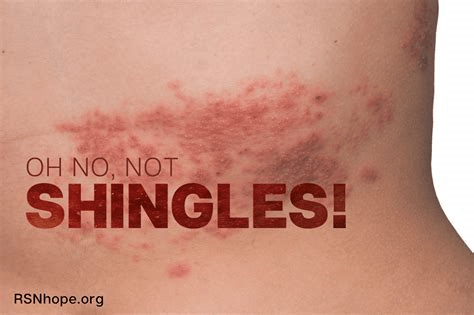
Shingles is caused by the same virus that causes chickenpox, which can reactivate later in life even decades after the original chickenpox infection. It typically shows up as a painful, blistering rash on one side of the body or face. According to the CDC, about 1 in 10 people who get shingles develop postherpetic neuralgia — nerve pain that can persist for months or even years after the rash clears. In rarer cases, shingles can also lead to vision loss (if it affects the eye area), hearing problems, or, very rarely, pneumonia or inflammation of the brain. This is exactly why the CDC considers vaccination a priority for older adults, rather than something to put off.
Can you get shingles more than once?
Yes. Having had shingles once does not make you immune to future episodes, which is part of why the CDC recommends vaccination regardless of whether you’ve already had a prior shingles outbreak.
What You Should Do Now
- Check whether you have Part D or MA-PD drug coverage. If you only have Original Medicare Parts A and B with no drug plan, the shingles shot will not be covered.
- If you don’t have drug coverage, get it during your next enrollment window — Medicare’s Annual Enrollment Period runs October 15 through December 7 each year for most changes.
- Ask your pharmacy to bill your Part D plan directly rather than paying out of pocket, to make sure you actually get the $0 cost.
- Get both doses on schedule — 2 to 6 months apart — for full protection.
- If your doctor’s office quotes you a few hundred dollars, don’t just pay it — confirm your coverage first, or ask a licensed advisor to help sort out what your specific plan covers.
Frequently Asked Questions
Does Medicare Part B cover the shingles vaccine?
No. Part B covers only a short list of vaccines directly — flu, pneumococcal, COVID-19, and Hepatitis B for high-risk individuals. Shingles falls under Part D.
Is the shingles vaccine free with Medicare Advantage?
Yes, as long as your Medicare Advantage plan includes prescription drug coverage (most do). It’s covered at $0 the same way it is under a standalone Part D plan.
What happens if I only had one dose of the old Zostavax vaccine years ago?
You should still get the 2-dose Shingrix series. The CDC recommends Shingrix regardless of prior Zostavax vaccination, though you should wait at least 8 weeks after a Zostavax dose before starting Shingrix.
Ready for a Free Medicare Consultation?
Speak with a licensed advisor at Affordable Care Agents — no cost, no pressure, no obligation.




Add Comment