

Retirement changes a lot about daily life — including how your body handles food. Many older adults eat regularly but still fall short on key nutrients, and the warning signs (low energy, brittle hair, slow-healing skin, a shrinking appetite) are often mistaken for “just getting older.” The good news: a few targeted changes to what you eat and drink can make a real difference in how you feel, and many Medicare Advantage plans now even help pay for healthy groceries. Here’s what actually matters for nutrition after 65, based on current guidance from the National Institute on Aging and the USDA MyPlate for Older Adults program.
Why Does Nutrition Get Harder After 65?
Aging changes the body in ways that make good nutrition trickier, even when you’re eating the same amount of food you always have. Taste and smell become less sharp, which can make meals less appealing and push people toward salty or sugary foods out of habit. Dental issues, including loose-fitting dentures, can make crunchy fruits, vegetables, and whole grains harder to chew, so people quietly avoid them. The body’s sense of thirst also becomes less reliable with age, and many common medications increase fluid needs — a combination that leads to more dehydration than people realize. On top of that, digestion slows down, which raises the risk of constipation and can make people cut back on fiber-rich foods that actually help.
What Are the Warning Signs of Poor Nutrition in Seniors?
Some of the clearest early signs include ongoing fatigue or low energy (often linked to low iron), skin sores or rashes that heal slowly, thinning or brittle hair, a shrinking appetite, and frequent diarrhea or digestive upset. None of these are “normal aging” on their own — they’re signals worth mentioning to your doctor, since they can also point to a vitamin or mineral deficiency that’s easy to correct once identified.
What Nutrients Matter Most for Older Adults?
According to the National Institute on Aging, a handful of nutrients deserve special attention after age 50:
- Calcium: Women 51+ need about 1,200 mg a day; men need 1,000 mg from 51-70 and 1,200 mg after 71. Good sources include dairy, fortified plant milks, canned salmon or sardines with bones, and leafy greens.
- Vitamin D: Adults 51-70 need at least 600 IU daily; those over 70 need at least 800 IU. Vitamin D works with calcium to protect bone health and is found in fatty fish, fortified milk, and (with a doctor’s OK) supplements.
- Vitamin B12: Adults over 50 need 2.4 mcg a day, but many older adults absorb less B12 from food due to changes in stomach acid. Fortified cereals, meat, fish, and poultry help, and a doctor may recommend a supplement.
- Fiber: Whole grains, beans, fruits, and vegetables support digestion and help offset the slower gut function that comes with age.
- Potassium and healthy fats: Fruits, vegetables, nuts, and olive oil support heart and muscle health while limiting saturated fat and added sugar.
How Much Food Do I Actually Need Each Day?
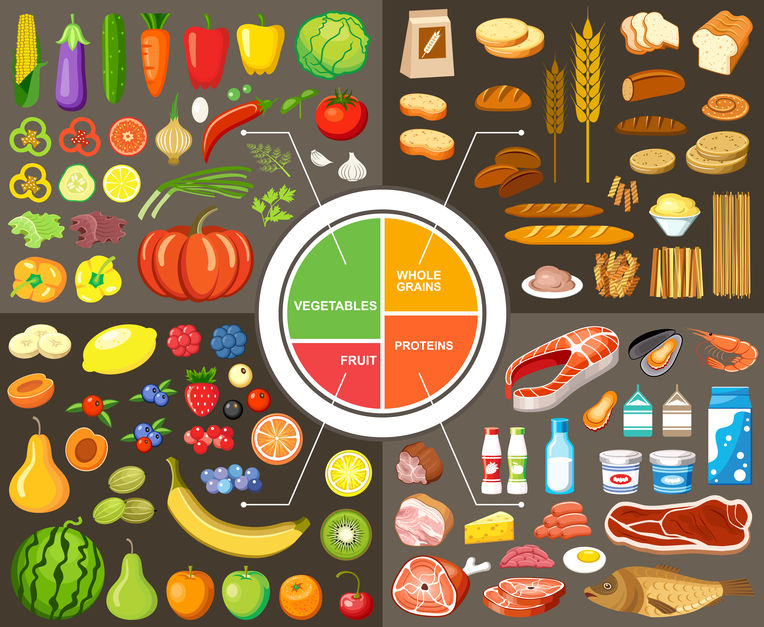
Portion needs vary by activity level, but the USDA’s MyPlate for Older Adults guidance generally suggests: 1.5–2.5 cups of fruit, 2–3.5 cups of vegetables, 5–10 ounces of grains (aim for whole grains), 5–7 ounces of protein foods (eggs, beans, fish, nuts, or poultry), and 3 cups of dairy or a fortified alternative, each day. Oils should be used in moderation, and solid fats and added sugars kept to a minimum.
Why Does Hydration Matter So Much Later in Life?
Staying hydrated helps your kidneys function properly, keeps thinking clear, and helps your body absorb medications correctly. Because the thirst signal weakens with age, it’s easy to become mildly dehydrated without noticing. Water, herbal tea, soup, and water-rich fruits and vegetables (like melon and cucumber) all count toward daily fluid needs — you don’t have to rely on plain water alone.
What You Should Do Now
- Talk to your doctor about a nutrient check. A simple blood test can flag low vitamin D, B12, or iron before symptoms become serious.
- Build meals around color and fiber. Aim to fill half your plate with fruits and vegetables at most meals.
- Sip fluids throughout the day rather than waiting until you feel thirsty.
- Ask about food and grocery benefits on your plan. Many 2026 Medicare Advantage plans include a healthy food or grocery allowance, meal delivery after a hospital stay, or nutrition counseling as supplemental benefits — but these vary widely by plan and county, so it’s worth checking what you actually have.
- Review your plan every year during Fall Open Enrollment (October 15 – December 7) to make sure you still have the best nutrition-related and other extra benefits available to you.
Frequently Asked Questions
Does Medicare pay for nutrition counseling?
Original Medicare Part B covers Medical Nutrition Therapy for people with diabetes or kidney disease when referred by a doctor, according to Medicare.gov. Many Medicare Advantage plans go further and include broader nutrition or grocery benefits — ask your plan directly or speak with a licensed advisor to compare.
Are healthy food cards or grocery allowances available to everyone on Medicare?
No — these are supplemental benefits offered by some Medicare Advantage plans, not Original Medicare, and eligibility often depends on your specific plan, county, and sometimes a qualifying health condition. A licensed advisor can check which plans in your NYC ZIP code include this kind of benefit.
Should I take a multivitamin instead of changing my diet?
Food sources are generally preferred because they come with fiber and other nutrients supplements don’t provide, but the National Institute on Aging notes some nutrients (like B12 and D) are commonly under-absorbed with age. Talk to your doctor before starting any supplement.
Ready for a Free Medicare Consultation?
Speak with a licensed advisor at Affordable Care Agents — no cost, no pressure, no obligation.
Review Score
-
Clarity
-
Understanding
-
Topic
-
Read quality




Add Comment