


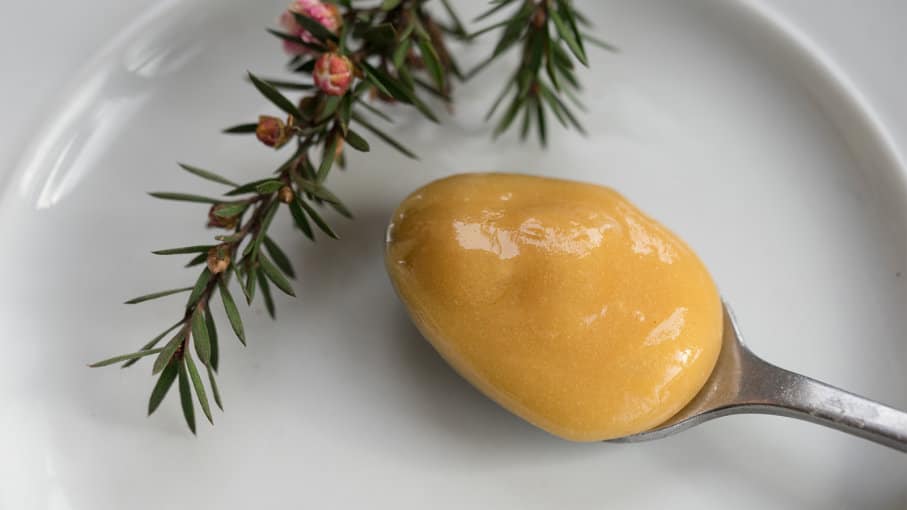

Honey has a reputation as a wholesome, natural sweetener — and for older adults especially, there’s real research behind some of its benefits. But there are also a few facts about honey that seniors, caregivers, and grandparents should know before stocking up: how much sugar it actually contains, how to spot fake or adulterated honey, and one situation where honey should never be given at all. Here’s a plain-English rundown.
Does honey have real health benefits for older adults?
Yes, to a degree — though it’s not a cure-all. According to the Mayo Clinic, research supports several specific, modest benefits:
- Cough relief: Honey may help ease coughing, particularly in the evening, though it hasn’t been shown to outperform standard cough medicine for adults.
- Wound and burn care: Medical-grade honey (processed under strict, sterile conditions — different from what’s in your kitchen cabinet) has shown promise in healing minor wounds, burns, and diabetic foot wounds when used under medical supervision.
- Digestive comfort: Some studies suggest honey can ease diarrhea linked to certain bacterial infections and may reduce irritation in some inflammatory digestive conditions.
- Heart health signals: Some research points to honey modestly helping cholesterol levels, though it shouldn’t replace medication or a heart-healthy diet plan from your doctor.
Honey is generally considered safe for most adults and children over age 1.
Is honey healthier than table sugar?
Not meaningfully — this is a common misconception. A single tablespoon of honey contains roughly 17 grams of sugar, similar to table sugar gram-for-gram. The American Heart Association generally recommends limiting added sugars — guidance that’s especially worth discussing with your doctor if you manage diabetes, prediabetes, or heart disease, since honey affects blood sugar much like other sugars do. Moderation is the key word here, not substitution.
How can I tell if honey is fake or adulterated?
Unfortunately, honey is one of the most commonly counterfeited foods worldwide — often diluted with cheap corn or rice syrup, sometimes from sources with inconsistent quality control. A few practical tips:
- “Pure” on the label doesn’t guarantee purity — it’s not a regulated, verified claim in the U.S.
- Look for third-party certification, such as “True Source Certified,” which independently verifies the honey’s origin and authenticity.
- Be cautious of honey labeled only “ultra-filtered” — heavy filtering can strip out the pollen that normally allows honey to be traced back to its source, making it harder to verify.
- Buy from known, reputable brands or local beekeepers when possible, rather than unusually cheap imported honey.
When should honey never be given, no matter what?
This is the single most important honey fact for anyone with an infant or great-grandchild in the house: never give honey — in any form — to a baby under 12 months old. Per the CDC and the American Academy of Pediatrics, honey can contain dormant spores of the bacterium Clostridium botulinum. An infant’s digestive system isn’t developed enough to prevent those spores from growing and producing a toxin, which can cause a rare but serious illness called infant botulism. This applies to raw, pasteurized, and even honey baked into foods like graham crackers — heat from normal cooking does not destroy the spores. Adults and children over age 1 have a mature enough gut microbiome that this risk does not apply to them.
What You Should Do Now
- Enjoy honey in moderation as part of an overall healthy diet — treat it as a sugar, not a supplement.
- If you have diabetes, prediabetes, or are watching your blood sugar, ask your doctor or a registered dietitian how honey fits into your specific meal plan.
- Buy certified or reputable honey brands to avoid diluted or mislabeled products.
- Never give honey to an infant under 12 months — pass this fact along to any family members caring for a baby.
- If you’re using honey medicinally — for a wound, a persistent cough, or a digestive issue — check with your doctor first, especially if you’re on other medications.
Frequently Asked Questions
Can honey help soothe a cough for adults?
There’s modest evidence it may help, particularly at night, but it hasn’t been proven more effective than standard adult cough remedies. It’s generally considered a safe home remedy to try for most adults without underlying health restrictions.
Is Manuka honey worth the extra cost?
Manuka honey has been studied for wound care and some antibacterial properties, but for everyday eating, its health benefits over regular honey are not dramatically different. Choose based on your budget and taste preference.
Does Medicare cover nutrition counseling if I want help managing sugar intake?
Original Medicare Part B covers medical nutrition therapy for people with diabetes or kidney disease, and some Medicare Advantage plans offer broader nutrition benefits. A licensed advisor can walk you through what your specific plan covers.
Ready for a Free Medicare Consultation?
Speak with a licensed advisor at Affordable Care Agents — no cost, no pressure, no obligation.





Add Comment