
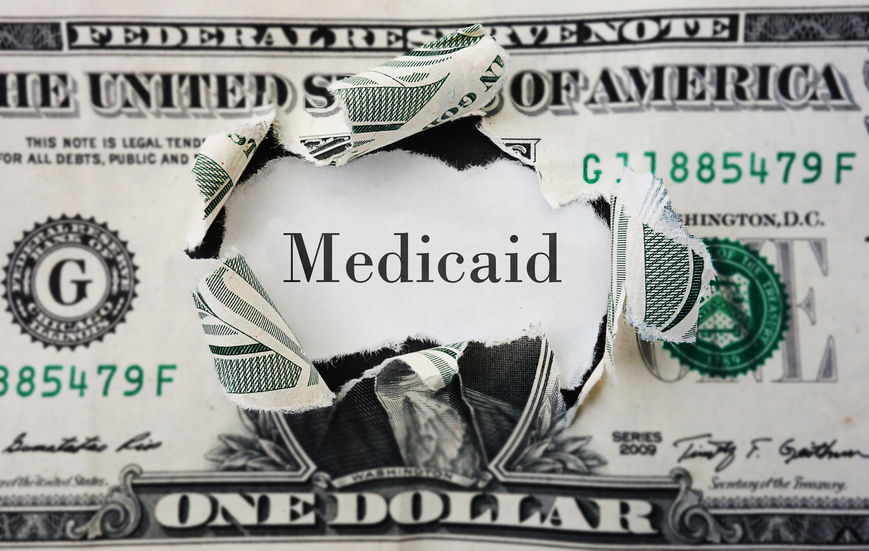

If you’re a senior or a person with a disability in New York and your monthly income is just a little too high for regular Medicaid, you may still be able to get coverage through a program called the Medicaid Spend-Down — also known as the Surplus Income or Excess Income program. This guide explains exactly how it works in 2026, who qualifies, and what medical expenses count.
What Is the Medicaid Spend-Down Program?
The Medicaid Spend-Down program lets New Yorkers whose income is above the Medicaid limit still qualify for Medicaid coverage by “spending down” their extra income on medical bills. Think of it like an insurance deductible: once you show the state that you have medical expenses equal to your monthly excess income, Medicaid picks up your covered medical costs for the rest of that period. In New York, this is officially called the Excess Income Program, though many people still call it “spend-down” or “surplus income.”
What Are the 2026 New York Medicaid Income Limits?
For 2026, New York’s non-MAGI (“SSI-related”) Medicaid income level is $1,836 per month for a single person and $2,489 per month for a couple, effective January 1, 2026. The resource (asset) limit is $33,038 for an individual and $44,796 for a couple. If your countable monthly income is above these amounts but your resources are within the limit, the difference between your income and the Medicaid level is your “excess income,” or spend-down amount (NY State Department of Health, NY Health Access).
Example: Say Mrs. Rivera is 70, lives alone in Queens, and her resources are within the Medicaid limit. Her monthly income from Social Security and a small pension is $2,000. Since the 2026 limit for one person is $1,836, her excess income (spend-down) is $164 per month. If she can show $164 in medical bills for a given month, Medicaid will cover her other medical costs for the rest of that month.
Who Can Use the Spend-Down Program?
Not everyone who is over the Medicaid income limit can use spend-down. In New York, you must fit into one of these categories:
- Age 65 or older
- Certified blind or disabled (any age)
- Under age 21
- Pregnant
- A parent or caretaker relative of a child under 21
If you’re under 65, not disabled, and not caring for a minor child, spend-down isn’t available to you — but you may still qualify for the Essential Plan or another Marketplace option, which uses different income rules and has no asset test (NY Health Access).
How Does the Spend-Down Actually Work?
Your local Medicaid caseworker calculates your “excess income” — your gross monthly income minus certain allowed deductions minus the Medicaid income level for your household size. Once that number is set, you have a few ways to meet it each month:
1. One-Month Coverage With Outpatient Bills
If your paid or unpaid medical bills for the month equal or exceed your excess income, you send or fax those bills to your local Medicaid office. Once verified, Medicaid covers your outpatient care — doctor visits, prescriptions, medical supplies — for the rest of that month. You have to repeat this every month you need coverage.
2. Six-Month Coverage With Larger Bills
If you have bigger medical needs, such as a hospital stay, your paid or unpaid bills equal to six months’ worth of excess income can activate Medicaid coverage for a full six-month period at once.
3. The Pay-In Program
Instead of tracking receipts every month, you can simply pay your excess income amount directly to Medicaid — up to six months in advance. This is a good option if you know you’ll have ongoing appointments and don’t want to keep submitting bills (NY State Department of Health).
Can I Use Old Medical Bills?
Yes, with limits. Bills that were paid can only count if the medical service happened and was paid for within the three calendar months before the month you applied for Medicaid. Bills that are still unpaid can be used going forward, even if they’re older, until the balance is “used up” against future spend-down amounts.
What Medical Expenses Count Toward the Spend-Down?
You don’t need bills specifically from a doctor’s office — many kinds of health-related expenses qualify, including:
- Copayments on your Medicare or private insurance that the plan didn’t cover
- Prescription drug copays, including costs paid through the EPIC program
- Doctor, dentist, therapist, and eye exam visits, plus the cost of glasses
- Transportation to and from medical appointments (keep your receipts)
- Home health aide services, medical equipment, and supplies
- Chiropractic visits and other medical services not otherwise covered
- Over-the-counter drug expenses
Cosmetic or non-medical purchases don’t count. And once your spend-down is met for the month, Medicaid will only pay providers who are enrolled in the New York State Medicaid program, so it’s worth confirming your doctor participates before you rely on this coverage.
What You Should Do Now
- Contact your local Medicaid office and specifically ask to be enrolled in the “Excess Income” or spend-down program.
- Start saving every medical receipt — paid or unpaid — even for small copays and OTC medications.
- Ask about the Pay-In option if you’d rather budget a fixed monthly payment than track bills.
- Check whether your doctors are Medicaid-enrolled so your spend-down coverage actually pays for their services.
- Talk to a licensed advisor about how spend-down interacts with any Medicare coverage you already have — many people on spend-down are also Medicare beneficiaries, and getting the two to work together correctly can meaningfully lower your monthly costs.
Frequently Asked Questions
Is spend-down the same as a deductible?
It works very similarly. Instead of an insurance company requiring you to pay a deductible before coverage kicks in, New York Medicaid requires you to show medical expenses equal to your “excess income” before Medicaid pays the rest of your bills for that period.
What if I don’t have any medical bills in a given month?
If you don’t use the Pay-In option and don’t have qualifying bills that month, you simply won’t have active Medicaid coverage for that particular month — you can still qualify again the next month you have bills or income.
Does spend-down affect my Medicare coverage?
No — spend-down Medicaid can work alongside Medicare to help cover costs Medicare doesn’t pay for, like certain copays, dental, or long-term care services, depending on your situation.
Ready for a Free Medicare Consultation?
Speak with a licensed advisor at Affordable Care Agents — no cost, no pressure, no obligation.




Add Comment